The Brain on Classical Music – From Early Plasticity to Life Long Resilience
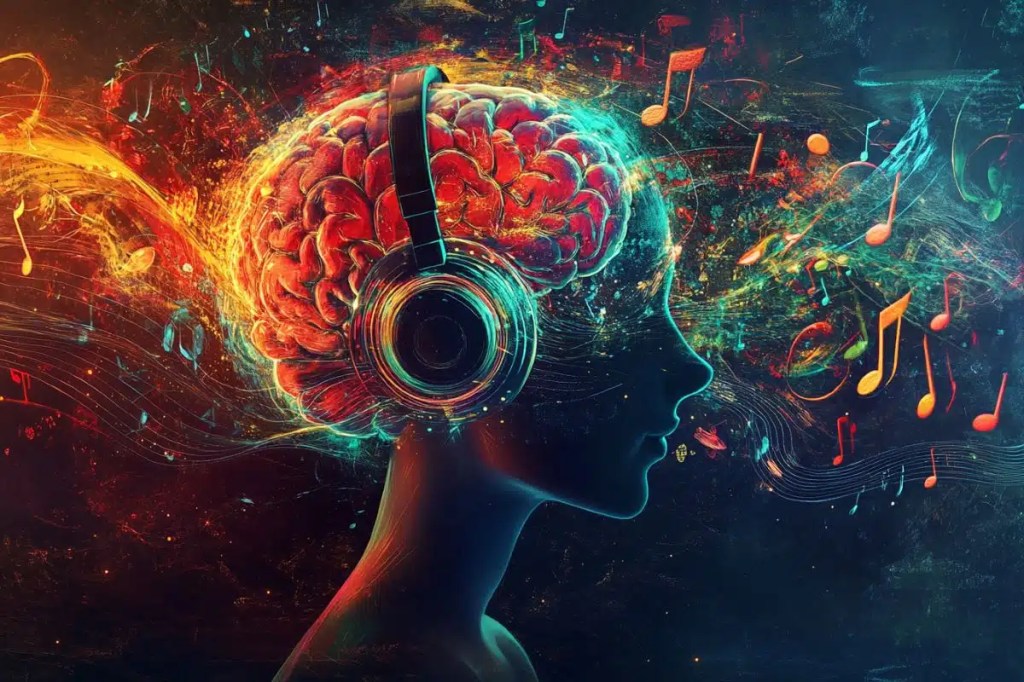
The Concept
Our brain never stops learning. A child learning her first scales and a grandparent returning to the keyboard at seventy are doing something remarkably similar: asking the brain to listen, predict, move, remember, and feel, all at once. Few activities train so many brain systems at the same time as music does.
Longevity is now one of the defining conversations of our time. As advances in research and medicine make the possibility of living longer more tangible, it raises a deeper question: what does it mean to live well for longer? Research suggests that musical training in childhood strengthens attention, memory, and auditory processing, and that lifelong musical engagement is linked to greater cognitive resilience in later life. The Brain on Classical Music follows that story across a lifetime, from the plasticity of the young brain to the resilience of the mature one.
This is not a lecture, and it is not only a concert. Through live performance, guided listening, and interactive demonstrations, you will hear and feel how classical music engages the brain’s systems for prediction, attention, movement, reward, emotion, and memory. The science comes out of the music, not the other way around.
Your takeaway
- Why the early years are such a powerful window for musical learning, and what it can mean for a child’s developing mind
- How music keeps the adult and aging brain engaged, and why it is never too late to begin
- A new way of listening, and simple practices you can bring home to your family and your own life
Who is this for
Parents and grandparents, music learners of any age, and anyone curious about how to keep the mind sharp and life meaningful for decades to come.

